
Ask what needs to be fixed.
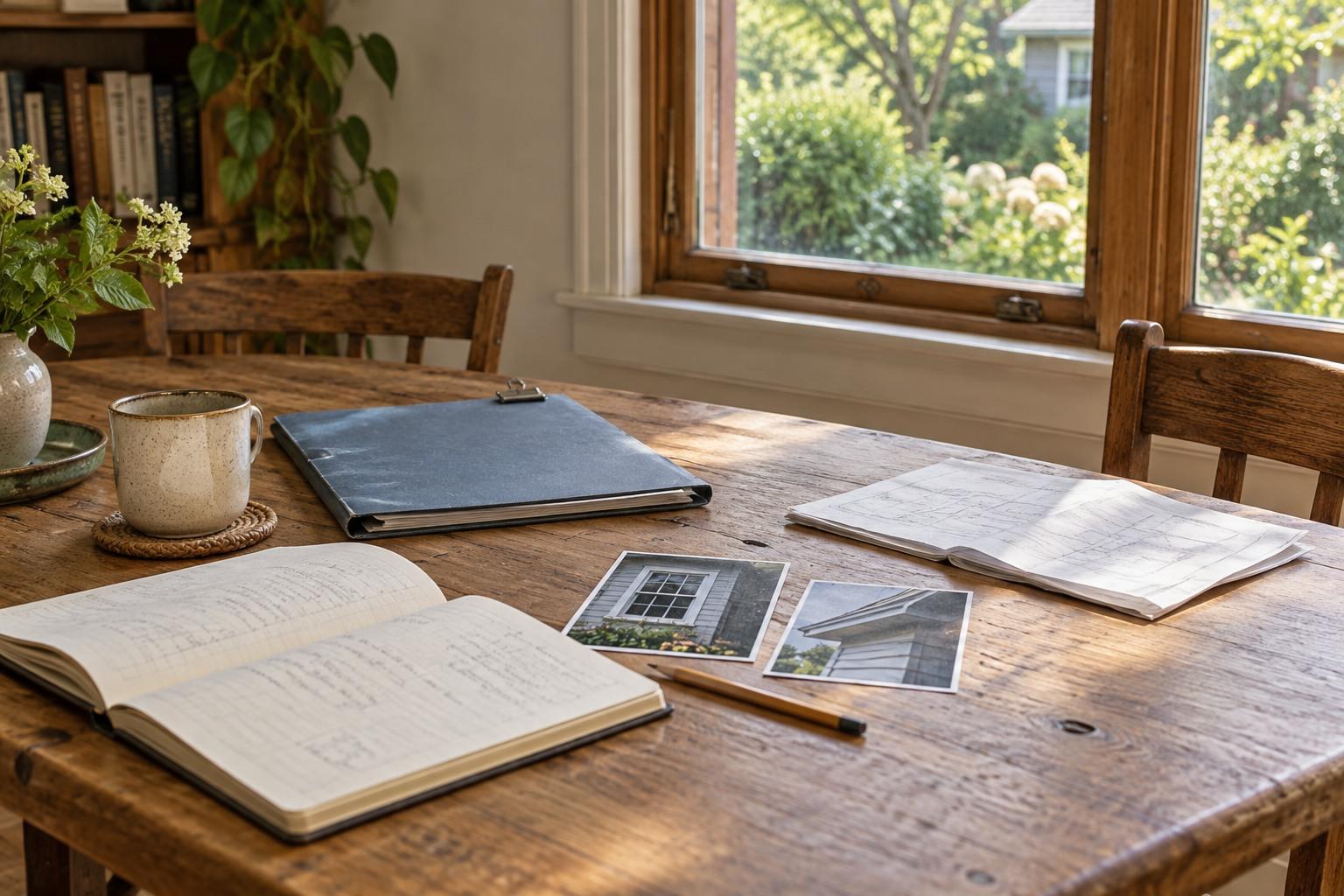
Before comparing prices, ask the person assessing your roof to identify the problem. Request photographs that show where the problem is and how extensive it is. Ask which part of the roofing system is affected. A recommendation is easier to evaluate when you can connect the proposed work to a specific finding.
Separate an immediate problem from future planning. A current leak needs attention even if you're still considering your longer-term options. If the conversation began because of the roof's age or appearance, ask what the inspection actually found. You don't have to dismiss a replacement recommendation to ask for the evidence behind it.
Understand the whole roof.
Shingles are only part of the picture. GAF's homeowner guidance identifies damaged shingles, leaks, staining, and sagging among reasons to seek a roofing assessment. It also points to flashing and other roof components when explaining why leaks occur. The visible surface can't answer every question about the system beneath it.
Tell the assessor about earlier repairs and recurring problems. Mention any changes you've noticed indoors. An old inspection report can be helpful, but it doesn't establish today's condition. Ask whether the current findings are limited to one location or suggest a broader issue. That distinction can change the range of sensible options.
Put each option in its proper place.
Repair addresses identified damage or a failed component. Replacement renews the roofing system when that's necessary. Preservation is a maintenance conversation for suitable existing roofing material. These choices aren't interchangeable, and an attractive treatment price doesn't make a damaged roof a candidate.
Nano treatment may be worth exploring if the roof is eligible and compatibility can be established. It can't install missing material or resolve every cause of a leak. Ask what would still need to be done even if treatment were chosen. Keeping that work visible gives you a more realistic picture of the complete cost.
Check the paperwork before you commit.
Find the roof's installation records and product name. Gather any warranty documents you have too. Ask how the proposed work relates to that coverage. If preservation involves a field-applied treatment, confirm the roofing manufacturer's position on the exact application. The warranty conversation should happen before work is scheduled.
For any option, request a written scope. It should tell you which problem is being addressed, what's included, what might change after closer inspection, and who’s responsible for the work. If two proposals recommend different approaches, ask each provider to explain the reasoning in the same terms.
Take a useful next step.
Start with your property address and the roof's approximate age and material if known. Gather any inspection photos and current estimates you already have. Make a short note of your concerns and when they began. Safe ground-level observations are enough to begin; you don't need to climb onto your roof to prepare for a consultation.
PSP's starting question is whether the roof you own is worth investigating for preservation. If you're in our Atlanta-area coverage focus, share your address to confirm consultation availability. An assessment should help you understand your options and their limits, so the eventual decision follows the condition of the roof.
Sources behind this guide.
Read the original guidance, including its scope and limitations. Product descriptions and industry guidance answer different questions.
- GAFUnderstanding Residential Roof Repairs: How Do I Know if My Roof Needs to Be Replaced?
Guidance on damage, repair history, and assessing the roofing system. This guide doesn’t adopt GAF’s numerical age or cost thresholds as universal rules.
- Asphalt Roofing Manufacturers AssociationApplication of Coatings or Rejuvenators on Asphalt Shingles After Installation
ARMA’s caution against field-applied treatments supports checking the exact shingle manufacturer’s guidance and local requirements before proceeding.